What if I told you there exists an international declaration, signed by more than 41 countries; that explicitly states there is no international right to abortion? Chances are you’ve never heard of it. Fewer still know that Life-Network Foundation actually joined it and sought answers from the Government when our country’s name was nowhere to be found among its signatories.
The document is called the Geneva Consensus Declaration. Despite its name, it has nothing to do with the Geneva Conventions governing armed conflict. Adopted in October 2020 by a coalition of countries led by the United States and eventually endorsed by dozens of nations, it is a political declaration, built around four principles: promoting women’s health, strengthening the family, respecting national sovereignty, and affirming that international law does not establish a right to abortion.
Why should anyone in Malta care?
Because Malta is regularly told that it is “on the wrong side of history” for protecting unborn life. International organisations, advocacy groups and even some politicians often speak as though abortion were already an established human right under international law.
But is it?
The Geneva Consensus Declaration was created to answer that very question. Its signatories argued that while countries may choose different approaches to abortion, no international treaty creates a legal right to abortion or obliges states to legalise it. In other words, nations remain free to decide this issue for themselves.
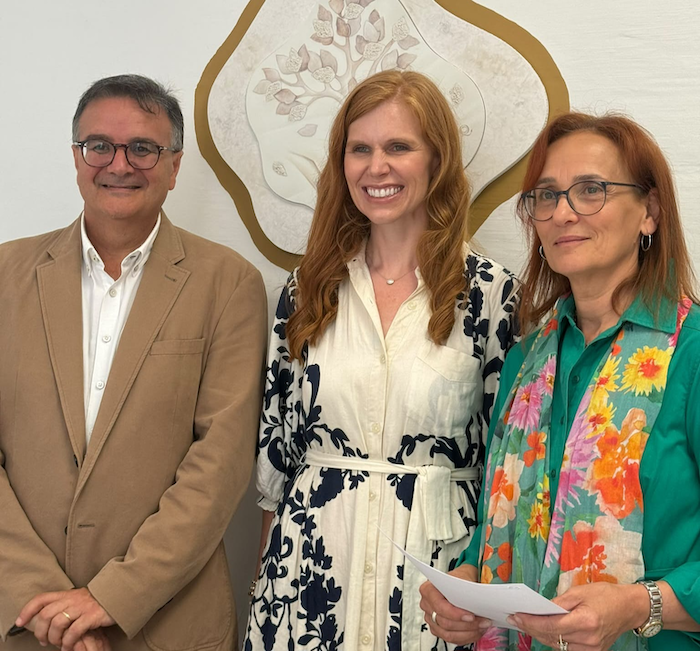
The issue has become ever more newly relevant following the recent visit to Malta of Bethany Kozma, one of the key figures behind the Geneva Consensus Declaration during its launch in 2020, to Life Network Foundation. Her visit provided an opportunity to revisit a fascinating, yet largely forgotten, chapter of Malta’s own diplomatic history.
When the Declaration was launched, Life Network Foundation followed the initiative closely. As governments gathered virtually to endorse it, one country’s absence stood out.
Malta.
Curious as to why Malta had not joined a declaration that appeared to reflect its longstanding legal position on abortion, Life Network contacted the Ministry for Foreign and European Affairs.
The Government’s reply was revealing. Malta never made it to be one of its signatories.
Although the Geneva Consensus Declaration is not legally binding, its significance should not be underestimated. International declarations often shape future negotiations, influence legal arguments and contribute to the gradual development of international norms. Today’s political declaration can easily become tomorrow’s legal interpretation.
That is why the Geneva Consensus Declaration matters.
It is not merely a statement on abortion. It is a statement on sovereignty, on the proper interpretation of international law, and on the conviction that no country should be pressured into changing its laws by claims that an international right exists when no such right has been established.
For those of us who believe that every human life possesses inherent dignity from conception, the Geneva Consensus Declaration represents something even more profound. It reminds us that human rights are meaningful only if they are truly universal. If the smallest and most vulnerable members of the human family can be excluded from protection, then the language of universal human rights begins to lose its meaning.
Bethany Kozma’s visit was more than a courtesy call. It was a timely reminder that the work of defending human dignity is never complete. Declarations alone cannot protect life. Laws matter. Institutions matter. But above all, people matter; people willing to stand for those who cannot stand for themselves, to speak for those who have no voice, and to defend the inherent dignity of every member of the human family.
Malta has long been recognised internationally as a country that defends the right to life. That voice should not diminish. If anything, it should become clearer, more confident and more compassionate.